
Category: Military Moving

  • Military Packing Tips That Will Make Your Relocation Smooth

    Military Packing Tips That Will Make Your Relocation Smooth

    Efficiency is the name of the game when you’re packing for a military move.

    If you’re in the military, you need to know how to pack quickly as you may be asked to move base or ship out at any time. Even if you’re not in the military, understanding how to pack military style helps you to pack faster and with fewer cases.

    Simply put, the military has some packing secrets that can be of use to everyone. In this article, we share the key military packing tips that help you prepare for a smooth military relocation.

    Tip No. 1 – Create a Staging Zone

    One of the biggest military packing secrets is also one of the simplest:

    Practice.

    Nobody gets good at packing military style without working on it. You need to pack, unpack, and pack again to ensure you know what you’re doing. The old adage of practice making perfect applies here. Better yet, the more you practice, the easier it is for you to memorize where you’ve placed all of your belongings.

    So, how do people in the military practice packing?

    They create staging zones.

    A staging zone is any clear area that allows you to lay out all of the stuff you need to pack. This allows you to organize your gear so you can think through what you need, check items off your checklist, and develop a sequence for packing. Any flat surface can serve as a staging zone if it’s large enough. A bed, the floor, or even a ping pong table are all ideal. Keep any items you’re not going to pack away from your staging zone. If it doesn’t need to go in the case or bag, it’s just a distraction that makes it harder to organize what you need to pack.

    Tip No. 2 – Pack by Room and Season

    Packing by room is a simple tip. But simplicity is always at the heart of good organization. Keep your kitchen items together using clever techniques like wrapping your dish towels around your glasses. Keep items from different rooms separate so you know exactly what you have and can easily spot anything that’s missing.

    Packing for the season applies more directly to people in the military. Your work may require you to move to a different part of the world, which may have different seasons from the United States. In these cases, you need easy access to clothing to suit the specific season. Packing by the season ensures you can quickly unpack to suit the weather in your new location.

    Tip No. 3 – Use the Ranger Rolling Technique

    Most people rely on folding or bundling their clothing to fit as much into their bags or cases as possible. But the most efficient method is the army roll packing technique. Also called ranger rolling, it allows you to pack clothes tightly while ensuring they stay wrinkle-free when you’re traveling.

    Similar to folding, each type of clothing has a different rolling method.

    Rolling Shirts

    Follow these army roll packing steps to successfully roll a shirt:

    1. Lay the shirt out on a flat, clean, and hard surface. It’s tough to roll clothes on a soft surface, like a bed, because your shirts will sag and potentially wrinkle.
    2. Place your hands at the center of the shirt and slowly swipe them out to smooth any wrinkles.
    3. Fold the shirt’s hem inside out by about three inches. This creates a small cuff. Then, rotate the shirt so that the collar faces you.
    4. Fold the sleeves into the center of the shirt and you should form a rectangle. If the shirt has long sleeves, cross them over in an “X” shape.
    5. Now, you’re ready to start rolling. Fold the collar about an inch into the shirt and smooth it out. Repeat this process, going an inch at a time and smoothing each fold. This creates a tightly rolled shirt that doesn’t have wrinkles.
    6. Tuck the edges into the rolled shirt to create a tight little bundle.

    Rolling Pants

    Army roll packing applies to pants as much as it does to shirts. But you need a different technique to roll pants properly.

    1. Fasten all of the buttons and zippers in the pants before laying them flat on a hard surface.
    2. Smooth out any wrinkles using your hands.
    3. Create a cuff by flipping the waistband in by about four inches.
    4. Fold the pants in half so one leg sits over the other to form a straight line. Smooth the pants using your hands before you start rolling.
    5. Starting from the ankles of the pants, fold up by about an inch. Smooth out the fold before repeating, going an inch at a time and smoothing between each roll. Keep going until you reach the cuff.

    military moving guide

    Tip No. 4 – Create an Army Bag Packing List

    This tip will focus specifically on what somebody heading out for army basic training should pack into their duffle bag. However, it can also serve as a basic checklist for anybody who’s packing for a short-term relocation. Alternatively, it can help you pack a bag that contains the items you’ll need immediately after moving into your new home.

    Think of this list as a quick guide on how to pack military duffle bag or case.

    Clothing

    Function goes ahead of style when packing clothes. The following are the key items you need to pack for basic training or a short-term relocation:

    • A single set of comfortable casual cloths
    • At least one pair of calf-length athletic socks
    • Three pairs of white underwear
    • One pair of comfortable shoes

    You can also add a pair of spectacles to this list if you need them.

    Toiletries

    While those heading to basic training can purchase toiletries at the post exchange, it’s always a good idea to pack what you need to cover a few weeks.

    • A toothbrush with a case
    • Comb or hairbrush
    • Disposable razors and shaving cream
    • Dental floss
    • Antiperspirant
    • A washcloth and towel
    • Shower shoes
    • Soap in a soap case

    The Extra Stuff

    Assuming you’re moving for military reasons, it’s a good idea to bring a copy of your orders along with key identification documents. These include your Social Security card, a valid driver’s license, and certified copies of the birth certificates for you and any spouses or dependents.

    It’s also a good idea to bring a combination lock so you can secure your belongings, along with $50 in cash to make small purchases.

    This basic packing list covers what somebody would need for army basic training. Plus, it serves as a good basis for a short-term relocation or as a simple checklist if you’re packing individual bags during a house move.

    Tip No. 5 – Pack in Reverse Order

    One of the key military packing tips is to pack items in the order that you’re going to need them. Assuming you’ve set up a staging zone, you should be able to see every item you’re going to pack. The item you anticipate using last is the first that goes into your bag, and the item you’ll need right away goes at the top.

    This is one of those clever packing secrets that ensure you don’t have to go digging through your bags when you need something important. A little preparation goes a long way with packing.

    Tip No. 6 – Use the Wall Strategy

    Having a specific strategy fits well with a list of military packing tips. After all, the military is all about strategy during operations, and packing should be no different.

    The wall strategy is ideal for packing.

    The idea here is to think about packing as though you’re building a wall. Some of your items act as your bricks, with the rest serving as the mortar that goes between them and holds everything together.

    In the case of packing, items like small bags and shoes act as your bricks. They can’t be folded or manipulated too much, meaning they need to be slotted into place first. Once the bricks are in place, your underwear, clothes, and pants serve as the mortar that goes in between the bricks.

    This strategy serves two purposes.

    First, it allows you to maximize the space in your bag or case. If you’re using the rolling techniques mentioned earlier, it’s also one of the best packing secrets to make sure all of your important clothes fit into a single bag.

    Second, the wall strategy ensures items can’t shift during transit. As a result, the contents of your bag will look just as neat as when you packed them.

    As a side note, this strategy works when you’re packing household items too. For example, you can treat kitchenware as bricks, using dishcloths, sponges, and similar items as the mortar when packing your kitchen items.

    complete moving services

    Tip No. 7 – Bags Inside Bags

    Organization is key to most military packing tips. Just dumping everything you own into a few big bags isn’t going to get the job done. You’ll end up scrambling through all of the bags to find what you need. Furthermore, this haphazard approach can lead to important items getting damaged during transit.

    Instead, use smaller bags that you pack into your large bags.

    For example, you can use small Ziploc pouches or zippered cloth bags to store your toiletries, electronics, and small items. If you want to stick with how to pack military style, it’s also a good idea to have a “go bag” that sits on top of everything else in your larger bag. This “go bag” contains everything you’ll need if you have to get on the move quickly, including some toiletries, clothes, any important electronics, and documents.

    Bags inside bags help you to stay organized. Your smaller bags can serve as the bricks for the wall strategy mentioned earlier.

    Tip No. 8 – Create a Photo Library

    Rapid upheavals may lead to the loss of important items. The problem here is that it may be weeks, or even months, before you realize you’ve lost something. This usually occurs if you don’t need an item for a while after packing and fail to identify the loss during the unpacking process.

    Checklists, like the army bag packing list shared earlier, help you to keep on top of what you need to bring.

    But it also helps to maintain a photo library of the items you’re packing. For example, you can take photos of your staging zone before you start packing so you can see what items go into each bag. Name each photo and tag the appropriate bag with the same name so you know exactly what it’s supposed to contain. When unpacking, compare what’s in the bag to what’s in the related photo. This is a quick way to make sure nothing gets lost in transit. Plus, it gives you visual cues that may highlight items you’ve forgotten to pack.

    Get Packed Military Style

    Whether you’re preparing for a military move or you just want to complete a house move with military precision, these packing secrets make you more efficient. With these tips, you ensure that you pack everything you need and require as few bags as possible. Some of these packing secrets, such as the wall strategy, also help you to secure your items during transit.

    Of course, packing is only the first stage of any military move. Once you’re packed, you need a reliable service that helps you move your family and belongings from Point A to Point B.

    That’s where Military Movers comes in.

    We specialize in helping military personnel move domestically and overseas. Along with our partners at A1 Auto Transport, we provide an expert level of service designed to make your move as seamless as possible.

    We’ve shown you how to pack military style.

    Now, let us help you move with military precision. If you’d like to know more about our services, call us at 866-226-1441 or get a quote from our team online.
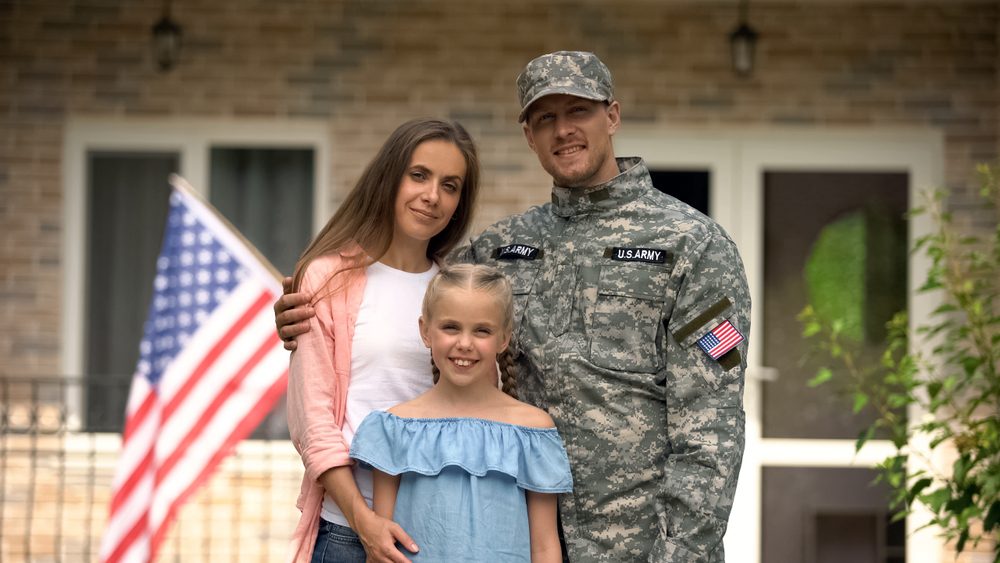

  • Will the Military Pay to Move My Spouse (And Other Important Questions About Military Moving)

    Will the Military Pay to Move My Spouse (And Other Important Questions About Military Moving)

    Being an active military member comes with many challenges, one of which is frequent relocation. Military members get the order to start fresh in another place every few years. If they are married or have children, their families move with them.

    But if this is your first military move, you might wonder, “What is the process of moving my wife to my duty station?”

    Another essential question military members might be asking is, “Will the military pay to move my spouse?” Military moves can be complicated, but knowing more about how the process works can make it less stressful for the entire military family.

    Why Do Military Families Move?

    Joining the military means being prepared to have your life uprooted every two to four years, and sometimes more frequently.

    This move is called a permanent change of station or, more commonly, PCS. There are various reasons why military members get the orders to move.

    Usually, a new rank will require additional education or training. Therefore, the military member must be moved to another base, where these resources are available.

    Upon completing the training and reaching their goals, the military may choose to order another PCS so they can fill a vacancy in another place, given their newly gained skills.

    While the frequent military family moving may seem strange or unnecessary to civilians, the military always has a reason to move their personnel across the country and overseas.

    Apart from the practical and logistical reasons the military requires its members to relocate, it’s also a matter of resilience. While often uncomfortable, the moves tend to foster adaptability and keep the military members more acquainted with change.

    Learning to adjust more quickly to PCS moves is more likely to prepare active-duty members for temporary duty assignments.

    Finally, the military may have reasons to order PCS moves for reasons they are not going to disclose and are related to national security.

    moving my wife to my duty station

    Will the Military Pay to Move My Spouse?

    The good news is that military spouses moving is covered by the military, but there are some considerations to keep in mind. The military will reimburse the spouse relocation during the PCS move as long as the spouses live in the same home and are leaving from the same location.

    If a military member’s spouse lives in another city or state but wishes to come to the new PCS, they must finance it out of pocket.

    It’s also imperative to point out that if a military member got married before getting new PCS orders but hasn’t filed the marriage certificate, their spouse’s name won’t be on the next PCS order.

    Therefore, they’ll need to pay for the trip themselves. These rules may seem unfair to newlyweds or military members with spouses not currently living with them, but the military has strict rules about PCS moves.

    When Can My Wife Move on Base With Me?

    This is another commonly asked question for new military members. While the military supports and encourages spouses to live together on the base, there are exceptions.

    A military wife or husband cannot live on the base while their spouse is in basic training. The soldiers must live in army barracks, and their family members can choose to live nearby or far away. Either way, they will only be allowed to see the recruit on the family day and graduation.

    During the advanced individual training or AIT, military members have more freedom, and in some instances, depending on the training duration, the spouses can join them on the base.

    Once the military member gets their first duty station, their families can join them, with the exception of some overseas locations.

    Types of PCS Moves

    Regarding the budget and paying for the moves, it’s imperative to know precisely about entitlements and duties. Once you receive PCS orders, planning and organizing the move can start.

    This process entails making many decisions, and the first is whether to choose a household goods (HHG) or a personally procured move (PPM).

    The HHG move is the best choice for those who don’t really want to deal with the hassle of the move and are comfortable with leaving the entire job to the Department of Defense (DOD.)

    The military is partnered with several moving companies that have undergone rigorous vetting and guarantee excellent results. These moving companies have the General Services Administration (GSA) approval to move military members across the country.

    The PPM is another way to go, and it’s the option most military families prefer. As the name implies, you are in charge of procuring the moving company and organizing everything regarding the move.

    The military will reimburse up to 95% of what the HHG move would cost, and the military members are entitled to keep the difference. It’s not uncommon for the PPM to result in savings, though that greatly depends on the circumstances.

    The Best Ways to Prepare for Military Family Moving

    If you’ve chosen a PPM, preparing well for what’s ahead is imperative. No matter how many times a military member goes through a PPM, there’s never a foolproof way to approach the move.

    Staying flexible and anticipating anything is the best way to avoid too much stress. After receiving PCS orders, military families sometimes have weeks to prepare for the move, but sometimes they have to act more swiftly. Approaching the PPM without panic is crucial.

    After establishing that rule, it’s best to move on to the purge and declutter phase of moving. One of the benefits of relocating frequently is that you often closely examine your belongings and determine what you really need. It’s the right time to sell, donate, or throw away items you don’t want to bring to the new post.

    The second but very important step is to make a budget. The military will reimburse the relocation expenses, but you still need to pay for any outstanding bills associated with the home you’re currently living in.

    Searching for a reliable moving company is probably one of the most significant elements in preparing for the military family moving. You can reach out to one of the GSA-approved companies but request a PPM.

    On the other hand, you can conduct thorough research, consider your needs and the budget, and find the best moving company for your situation.

    There are several important factors to consider when hiring a moving company specializing in military family moving.

    • Pricing
    • Military discounts
    • Truck sizes
    • Car shipping
    • Packing and unpacking
    • Debris removal
    • Storage space
    • Customer service
    • GPS tracking
    • State availability
    • Free quotes
    • Reputation

    This list is not exhaustive, but it’s an excellent start as you prepare for a military spouse moving.

    Effects of Moving on Military Families

    It’s no secret that moving is stressful, whether you’re a member of the military or a civilian. Indeed, there might be some exhilaration about the idea, too.

    But for the most part, completely changing homes and surroundings every few years or less can be disorienting, especially for children.

    The military member getting the PCS orders may experience the move differently, as they knew what they were signing up for when they enlisted. To a certain extent, military spouses know what they’re getting into as well. However, they might also find losing connections they’ve made in a particular town or city difficult. The situation is even more complicated if the military spouse has a job they must abandon during the PCS move.

    The effects of moving on military families can vary, but getting used to a new environment is always a challenge. Again, it’s the children that feel these effects the most. The frequent moving leads to disruptions that can cause stress and mental health issues.

    These are some of the problems that children of military members face.

    • Adjusting to the new home, school, neighborhood, weather, and routines.
    • Students doing sports may miss team tryouts and not get included in athletic programs.
    • Gaining acceptance in school is much more difficult when you’re always the new kid.
    • Experiencing the loss of close relationships in a previous location.

    Bear in mind that each person is unique, and children may experience specific problems which could be difficult for them to express.

    military spouse moving

    Military Spouse Moving and Employment

    As a military spouse, moving to a new place can be scary for many different reasons. Losing a job they love can be a big part of it. Indeed, looking for another job in a brand new location can seem overwhelming. Choosing a job that allows them to work from home often seems like the best solution.

    Still, that’s not always possible, nor is it what everyone wants. The military is aware of this challenge and has implemented certain resources to help with the moving process.

    The DOD’s Spouse Education & Career Opportunities program is an excellent starting point. This program allows military spouses to seek specific education and licenses and learn about different career paths.

    It’s a phenomenal resource for finding a job as it offers more than 500 companies with employment partnerships with the military.

    It’s also very important to point out that in 2017, Congress ordered the DOD to reimburse personal license fees of up to $1,000 to military spouses.

    You need to have the proof that you’ve already paid for the certificate and have a copy of signed PCS orders to get the reimbursement from the DOD.

    FAQs

    When to Start Planning for the PCS Move?

    Whether you’re planning an HHG or PPM, starting as early as possible is always the best policy. Even if you have years of experience with PCS moves, a lot can change quickly, so it’s important to leave room for flexibility.

    Are There Items You’re Not Allowed to Bring During Military Family Moving?

    You are allowed to bring most items from your household, but there are a few notable restrictions. Anything considered a hazardous material is not permitted.

    That includes paint, gasoline, batteries, and cleaning supplies. Even if you’re taking your lawn mower along, you’ll need to remove the gasoline from it before it can go in the truck.

    Another relevant detail to keep in mind is that the moving company can ship any firearm unless they’re on the excluded list. However, they are not permitted to transport ammunition, as they are categorized the same as gasoline and batteries.

    Is Military Spouse Moving and Military Family Moving Expensive?

    The thousands of PCS moves cost the military a fortune every year, whether they pay the moving partners or reimburse military members for PPMs.

    The actual price tag varies depending on the company, the size of the household, and which services the movers provide. If it’s a local PCS, the price can range between $600 and 2,000, while a long-distance move could cost around $1,300 to $10,000.

    What Is an OCONUS Move?

    Most PCS moves are within the contiguous U.S. and are referred to as CONUS. However, some military members are relocated outside the contiguous U.S., including Hawaii, Alaska, and U.S. territories.

    This type of PCS is called OCONUS. If you’re wondering, “Will the military pay to move my spouse OCONUS?” the answer is yes, it will.

    Does the Military Pay for Pet Transport?

    Unfortunately, the military does not pay for moving your pets to a new PCS. Depending on the situation, the cost of relocating your pets can add up, so it’s essential to do your research.

    Because animal shelters around military bases have been reporting increased rates of animal surrender, the military has taken steps to address this issue.

    They’ve partnered with the Society for the Prevention of Cruelty to Animals International (SPCA) and started the operation Military Pets. This program provides financial aid to families struggling to fund pet relocations.

    Is Shipping Your Privately Owned Vehicle (POV) Reimbursed by the Military?

    Unless it’s an OCONUS move, the military doesn’t pay for shipping your vehicle. And with the OCONUS move, the shipping is covered for only one car.

    However, some exceptions may apply., Such as if you’re unable to make the drive due to medical reasons, you can submit a special request.

    why do military families move

    Reducing the Stress of Military Family Moving

    Military families face many obstacles but can also thrive in numerous ways. Married military members can have their spouses move with them to a new location, and the military will reimburse their expenses as long as they’re already living together.

    The military also provides many valuable resources for handling the new environment, and pursuing education or employment.

    When it comes to the children, preparing them well for the changes will ease the blows caused by separating from friends and familiar surroundings.

    A PCS move is less stressful when you have reliable movers doing the heavy lifting. Reach out to Military Movers to get a free quote today.

    Keywords: will the military pay to move my spouse; moving my wife to my duty station; military family moving; when can my wife move on base with me; why do military families move; military spouse moving; effects of moving on military families.

  • How to Find the Best Full-Service Moving Company for Military Members

    How to Find the Best Full-Service Moving Company for Military Members

    Military families have many challenges, and one of them is a permanent change of station or PCS. Picking up everything and moving to a new home is stressful and requires detailed planning and organizing. A big part of this process is finding a full-service moving company to relocate your household.

    This process is more complicated than it seems because you need to navigate your budget and find a moving company that checks all the boxes in terms of your needs. But when you know what to focus on, searching for an excellent moving van service becomes a little easier.

    Permanent Change of Station (PCS) Explained

    Getting “the orders” or the permanent change of station orders occurs every two to four years for military members of different ranks and duties. But those who have never gotten a PCS order before might not know the full scope of this process.

    The PSC paperwork tells you where you are going, so once you have it in your hands, it’s best to start planning the move. These long-term assignments can be in the Contiguous United States (CONUS) or outside the Contiguous United States (OCONUS,) including Alaska, Hawaii, and U.S. territories.

    Having a copy of your PCS orders on hand during the moving process is imperative. Also, before starting the search for a full-service moving company, creating a PCS binder is advisable to coordinate the move more efficiently.

    full service military moving services

    HHG vs. PPM Move

    Before the move, military members get enough notice to plan their journey to the new post. But one of the first steps in this process is to choose between two types of military moves.

    The first option is the household goods move or HHG, and it is ideal for those who want to avoid nearly any effort in the process. The HHG move means the Department of Defense (DOD) utilizes moving companies they’ve contracted with.

    You don’t have a say about which moving company they’re using and don’t have the liberty to ask about whether it is a full-service and storage type of company.

    But given that these companies go through a careful process to get these contracts with the DOD, it’s safe to say they offer a wide range of services. It’s also important to note that the HHG move is mandatory when moving overseas or outside the continental U.S.

    The personally procured move or PPM is a do-it-yourself type of move, and it’s the preferred option among military members.

    There are a couple of reasons why the PPM is more popular. First, the personally procured move gives you the chance to search for the moving company services that suit your needs.

    Second, the military will reimburse up to 95% of the cost that the HHG full-service moving company would charge, and military members are allowed to keep the difference. Therefore, with careful planning and logistics coordination, military members can profit from the PPM relocation.

    Factors to Consider When Choosing a Full-Service Moving Company

    Because the HHG move is not organized by those who are moving, we’re only talking about the PPM moves. Choosing this option puts the military members in charge of shopping for the best full-service moving services available to them.

    The good news is that many complete moving services focus on relocating military members. But you still need to know precisely what to search for, especially if this is your first move.

    GSA Approval

    Perhaps one of the most reliable ways to pick the best full-service moving company is to check if it has a General Services Administration (GSA) approval.

    Essentially, this certification means the company is one of the DOD partners and has a contract with the military for HHG moves.

    But these companies also perform PPMs, and military members can hire them independently. For some, the GSA approval is the number one factor when choosing full-service moving services, so it’s what they search for first.

    Pricing

    Whether you’re counting on having some leftover cash from the PPM when the military reimburses you or you just want to find the most affordable solution, pricing matters.

    However, the difference in cost can vary drastically, depending on the company, their services, and the size of your household. Local moves are understandably less expensive than long-distance moves, but even then, it’s essential to understand the range for each type.

    A local full-service moving service typically costs between $600 and $2,000, whereas long-distance moves range from $1,300 to $10,000.

    But these numbers only represent what the moving company charges. You also have to consider that you’ll need to cover any incidental costs and probably a deposit for the new home.

    Military Discounts

    If the goal is to save as much money as possible on the PPM, partnering with a moving company that offers military discounts is advisable. While some companies will advertise these discounts, others may offer them only upon inquiry.

    Therefore, even if you don’t see a listed discount from a moving company that you like, it’s good to call up and ask if a military discount is available.

    Free Quotes

    There’s a reason why companies that offer free quotes are more likely to snag a customer. Everyone wants to know what their move will cost upfront so that they can make an informed decision.

    A full-service moving company that works with military members should offer free quotes, as that’s considered the standard. If a company refuses to give you a full-service moving quote for free, it’s best to move on to another candidate.

    Truck Sizes

    Well-established full-service moving companies typically have a fleet of vans and trucks that cater to their customers’ various needs. Still, you should check what the actual offer is.

    If you’re moving to a one-bedroom apartment, you’ll likely be good with a 10-16-foot truck size, whereas you’ll probably need a 22-26-foot truck for moving a five-bedroom house. It’s also imperative to check the availability of the trucks for your moving date.

    State Availability

    Another important step in the process of finding the best full-service moving company is to confirm to which states the company delivers.

    Most major companies assist with moves in all 50 states, in addition to international moves. If the moving company doesn’t ship to the state where your new post is, it should be automatically disqualified.

    full service movers and storage

    List of Services

    Lastly, it’s crucial to discuss specific services the moving van service offers. Package movers and cleaning are typically the standard, but it doesn’t hurt to check. Here are the most important complete moving services to consider when choosing a moving company.

    Packing and Unpacking

    The process of packing and unpacking is one of the most exhausting parts of the PCS move. It can get overwhelming quickly, as most people can’t reasonably assess how much stuff they have and how long it would take to pack it properly.

    This is where full-service companies come in. Ideally, you can be as specific as you want about which packing services you require. For some military members, unpacking isn’t necessary as they’d rather take their time to do it by themselves.

    Custom crating is an essential service for others because they have fragile items that need special attention. Make sure to ask the moving company if you can customize the packing and unpacking services.

    Vehicle Shipping

    In many instances, a military member will drive their vehicle to the new residence, so car shipping isn’t a service they need. However, some military households have more than one car and will not be in the position to have their spouse or another family member drive the second car.

    In these situations, it’s absolutely essential to find a moving company that ships vehicles. Typically, you’ll have the option between a less expensive open-sided auto transport and a pricier enclosed transport. You should also have the opportunity to choose between door-to-door and regional storage facilities for car shipping.

    Debris Removal

    The full house cleaning of the home you’re leaving is likely up to the landlords. But the tenants also need to ensure the home is free of various debris left behind during the move.

    A full-service moving company should also offer debris removal, allowing military members to leave to their new post, stress-free. The company should be able to assist with the clean-up process, so it’s best to arrange for this service upfront.

    Storage

    One of the best ways to achieve some flexibility with the PCS is to consider storage solutions. It doesn’t matter if you want to store specific items before you get the orders or do so once you know where you’re going; a moving company should give you some options.

    If the home you’re moving to is smaller than your current one, utilizing storage space prevents future headaches.

    Moving Coverage

    Damage to your possessions is probably the last thing anyone wants to worry about when planning a move, but they are an unfortunate reality. If you’re shipping valuable items, asking about moving coverage is essential.

    Keep in mind that moving companies are not allowed to sell insurance, but they do have an obligation under federal law to offer valuations.

    The best moving companies offer full-value protection that includes repairs, replacements, and cash settlements equal to a specific item’s market value.

    However, they might refuse to offer a valuation for costly items, leaving third-party insurance as the only alternative.

    Customer Service

    Moving is almost always draining, even with the best moving company services available to you. Military members will likely need to talk to a move coordinator or customer service several times during the process to make sure everything goes according to plan.

    Moving is already a stressful experience. However, it can be considerably easier if the moving company has helpful customer service that is always available.

    On the other hand, unresponsive and unprepared customer service agents can make a move more difficult than it should be.

    Additional Services

    We’ve talked about the most significant moving services, which should be non-negotiable. But the best moving companies offer a few other perks you might want to consider.

    Often, GPS tracking is included, allowing military members to know where their items are at all times. Other services that might come in handy are furniture disassembly and reassembly, handling very bulky items, appliance service, and others.

    complete moving services

    Benefits of Choosing a Moving Company That Offers PPM Services

    The most significant advantage of hiring a moving company that offers specialized services for military members is their familiarity with the process.

    They already know that the move is sometimes time-sensitive and that military members don’t always have the precise move date until the last minute.

    The best full-service moving companies have the right experience. They are ready to cater to special requirements in order to ensure the military members and their items arrive safely at their new station.

    Tips on Choosing the Best Full-Service Moving Company

    Organizing a PCS move might not be much fun, but it doesn’t have to be a nightmare, either. Asking the right questions is a great way to learn more about the company. Make sure to ask them about the cancellation policy or if there are any hidden fees.

    Also, it’s probably best to avoid putting up large deposits or paying for the full move upfront. A reputable moving company won’t ask for a large deposit and should expect you to pay upon delivery.

    Furthermore, when it comes to valuation coverage, make sure you read the policy in detail and that it says what the company claims to offer. Don’t forget about the receipts either, as you’ll need them for reimbursement from the military.

    Finally, don’t hesitate to report a problem if one occurs. If something gets broken during the move, don’t wait too long to make it known. Typically, you will have nine months to file a claim, and the moving company has 30 days to respond.

    Getting to the New Station With the Help of a Reliable Moving Company

    For many military members, moving frequently is just a normal part of their service. But that doesn’t mean that planning and organizing the move gets any easier.

    Experienced military members who choose personal procured move as their go-to option probably already know which companies are reliable and which to avoid. However, some might not even know what to look for in the first place.

    The factors we’ve talked about are a great starting point and can help you find the best full-service moving company for your next PCS.

    Reach out to Military Movers with any questions you may have and to get a full-service moving quote.

  • The Ultimate PCSing Checklist to Make Your Move a Breeze

    The Ultimate PCSing Checklist to Make Your Move a Breeze

    A permanent change of station (PCS) is always an adventure. Regardless of whether this is your first or 15th move, relocation is always accompanied by stress. A PCS move requires a lot of organization, coordination, and planning, especially if you’re moving with children and pets.

    In this military PCS guide, we’ll introduce you to a detailed PCS move checklist that should make your move as smooth as possible.

    The Binder

    Before we move along to the PCSing checklist, we need to mention the holy grail of PCSing: the binder. Whether you’re relocating interstate or overseas, you need to gather extensive paperwork. If you want to keep your sanity intact, it’s best to keep all important documents in one location, such as a binder. This will help you feel more organized because you won’t have to waste time searching for paperwork.

    Here are the essentials you should include in the PCS binder:

    • Personal documents
    • Medical documents
    • Passports
    • Social security cards
    • Insurance policies
    • Marriage license
    • Car and house titles
    • Contact information for the current and future duty station
    • Mortgage documents
    • Housing application
    • Military orders
    • School records
    • Pet information and veterinary records
    • Moving documents
    • Travel documents (flight and hotel information)
    • Warranties
    • Expense tracker
    • Calendar
    • My PCS checklist” (the checklists we provide below)

    PCS List

    military moving checklistIf you want to be more organized, you’ll love this PCS checklist. Army members and their families may find lists like these hard to follow, so we’ve divided this into several separate lists depending on how close the moving day is.

    This PCS guide can also serve as a Navy PCS checklist. Keep in mind that these checklists are designed for moving interstate. If you’re going overseas, you’ll need to complete additional steps, depending on your destination and military branch.

    Three Months Before the Move

    The first list of this Army PCS guide contains the items you need to take care of about three months before your move.

    • Schedule a counseling session at your Transportation Office. The employees will give you the necessary information regarding your PCS and explain your options.
    • Choose if you want a personally procured move (PPM) or let the government handle it.
    • Begin saving for moving expenses. The government will reimburse some of the costs, but not everything.
    • If you have children, one of the PCS steps is discussing the relocation with them.
    • If you’re renting the house you currently live in, inform the landlord you’ll be moving soon. Don’t give them the exact date yet.
    • Research how you could ship your vehicle to the future base.
    • Keep track of tax-deductible expenses related to moving.
    • Create an inventory of all your belongings. You can use your mobile phone or camera.
    • Start a PCS binder and organize the essential paperwork.
    • Create a list of people you need to inform about your relocation.
    • Create a list of clubs and organizations you’re a member of and inform them you’ll be leaving soon. Check whether certain memberships can be transferred.
    • Schedule dental, medical, and optical appointments for you and your family members.
    • Set up a power of attorney in case of unforeseen circumstances.
    • Start sorting your belongings and separate those you wish to throw away, sell, or donate.
    • Check your furniture for stickers from previous moves and remove them.
    • If this is your first time PCSing and you need more PCS details, reach out to people that have already gone through the process.

    Two Months Before the Move

    The second list of this military movers guide encompasses everything you should do approximately two months before moving to a new location.

    • Start getting rid of things you don’t want to move to the new location. You can organize a garage sale, post the items on online marketplaces, donate them, give them to family or friends, or throw them away, depending on their condition.
    • If you want to purchase a home at the new location, research your options. Contact a realtor, arrange financing, etc.
    • If you’re moving with employed family members, they should give notice at their jobs and get letters of recommendation. Moreover, they should update their resumes.
    • Look into child care options at your new location.
    • Check the schools at your new location and research enrollment requirements and schedules.
    • If you have a vehicle, ensure regular maintenance and repairs are taken care of.
    • Find proof of insurance for your vehicle and place it in the PCS binder.
    • Reach out to your insurance company and check your options for insuring your vehicle, home, and valuable belongings in your new location.
    • If you plan to ship your vehicle, inform the base transportation office and give the employees the estimated shipping weight.
    • If you have pets, ensure they are fully immunized and get a copy of the medical records.
    • Close local charge accounts.
    • If you want, set up a bank account and a safety deposit box at your new location.
    • If you need help organizing your finances, reach out to your military base finance center or a private financial advisor.
    • Double-check the expiration dates on your credit cards and get new ones if necessary.
    • Contact the Department of Motor Vehicles at your new location to get information about the new registration and driver’s license.

    One Month Before the Move

    The moving day is approaching. Here’s a military moving checklist of things you should get done about one month before relocating.

    • Schedule pickup and delivery dates with your military moving company.
    • Arrange temporary or permanent storage if necessary.
    • If you still don’t know where you’ll live, obtain a post office box or set up a forwarding address for your mail.
    • If you’re an active service member, check options for advanced pay or other benefits that could make the moving process easier.
    • Get rid of the belongings you don’t want to take with you.
    • Obtain your children’s school records or check how to transfer them to the new school.
    • Arrange letters of transfer from your church, Scouts, or any other national organization.
    • If your family is driving to the new location in two or more vehicles, you can buy walkie-talkies and make the trip much more fun.
    • Double-check if all insurance is up to date. Inform the insurance company of the relocation and give them the new address.
    • Return library books and items you’ve borrowed from family and friends.
    • Ensure your vehicle(s) are in good condition and ready for the road.
    • Fill out the IRS change of address form.
    • Inform electric, water, disposal, telephone and cable companies of your move.
    • Cancel local subscriptions.
    • Disassemble outdoor structures (swing sets, playhouses, furniture, etc.).

    Three Weeks Before the Move

    This part of our PCS guide contains information on what you should do three weeks before moving.

    • Active service members should reach out to their military pay office and recertify their Basic Allowance for Quarters (BAQ).
    • Double-check the packing and moving dates with your moving company.
    • Double-check the expiration date of your military card.
    • Inform credit card companies of the new address.
    • If you have an investment counselor, inform them of your relocation.
    • Cancel newspaper delivery.
    • Settle your bills (if possible).
    • Transfer your bank account.
    • Retrieve the belongings you’ve lent to family and friends.
    • Contact the U.S. Post Office regarding your change of address.
    • Create a meal plan to use all the food in your fridge and freezer.
    • Start cleaning your sheets, carpets, curtains, etc.
    • Renew your prescriptions and pack the medicine carefully.
    • Active service members should separate their professional books, papers, and equipment (PBP&E). The weight of such items isn’t counted towards the total weight allowance.

    One Week Before the Move

    One week before moving to the new location is the perfect time to start thinking about the PCS details.

    • Get small and large Ziploc bags. You’ll find them valuable when packing sets of small items like silverware, pencils, markers, spices, etc.
    • Make copies of all important documents before mailing them or taking them with you.
    • Clear out your attic and hard-to-access areas.
    • Drain your garden hose.
    • Drain gas from your lawn mower.
    • Get rid of flammable items, batteries, cleaning supplies, and everything else the movers won’t pack.
    • Take pictures of the back of appliances like TVs and computers so that you know how to plug in the cables correctly once you arrive at the new location.
    • Plan the route and, if necessary, book hotel rooms to rest along the way.
    • Inform your family and friends about your schedule and route.
    • If you have a safety deposit box, close it.

    A Few Days Before the Move

    Besides creating a PCS packing list, now it’s time to cross these items off the list:

    • Separate the items that won’t go with the moving company.
    • Decide which items will be shipped as “unaccompanied baggage.”
    • Create a detailed inventory list and keep it with you.
    • Create an inventory of the boxes so that you can easily keep track of them later on.
    • Use colored stickers to mark which boxes go to which room. If you’re using a moving company, you can create a color-coded map of the new house so that the movers know where to take each box. This can make the process much easier for both you and the movers.
    • Keep your cash, important documents, and valuable items with you.
    • Inspect and write down the condition of different items. There’s no need to do this for the things that look as good as new. But if you have a scratched table, mark it so that you know this didn’t happen during transport.
    • Clean the fridge and freezer and leave the doors open for a few days.
    • Get rid of opened cans.
    • Throw away containers that may leak.
    • If you’re taking liquid products with you, place them in waterproof bags.
    • Disconnect all electrical and gas appliances. Remember that moving companies usually aren’t required to do this for you.
    • Remove objects from walls and ceilings. These include paintings, lights, curtain rods, mirrors, decorative objects, etc.
    • Remove TV antennas.
    • Disconnect satellite dishes.
    • Drain water from hot tubs, aquariums, and waterbeds.
    • Prepare a first-day box. This box should contain everything you’ll need in your new home before the rest of your belongings arrive.

    Moving Day

    If you’ve used our PCS guide so far, you’ve completed most of your obligations. Now, the big day is here. Here’s what you’ll need to do on your moving day:

    • Get up early. You want to be ready when the movers come to your house.
    • Take all the trash out. If you don’t do this, the movers are likely to pack it. You don’t want to arrive at your new house with a bunch of trash.
    • Do the dishes before the movers arrive.
    • Prepare snacks and drinks for the long day. If you want, you can prepare refreshments for the movers as well.
    • Double-check whether your money, mobile phone, jewelry, checkbook, and other valuable belongings are with you. It’s not recommended to ship these items.
    • If you have pets, put them in a secure, confined area when the movers arrive. This will allow movers to work without distractions.
    • Double-check all rooms inside the house to ensure you haven’t forgotten anything. Do the same for your shed, garage, and other spaces.
    • Keep a marker with you. You’ll likely need to put a note on some of the boxes.
    • If you’re taking some of the boxes with you, label them as “DO NOT MOVE.”
    • Once the movers have packed everything, double-check their inventory.
    • Monitor the loading process and examine your belongings before signing off the receipt.
    • If your move is covered by the military, get a copy of the GBL, the Household Goods Inventory, and other paperwork before the movers leave. Put the documents in your binder.
    • Leave your keys.
    • Double-check that all the important documents are with you.

    Upon Arrival

    Congratulations! You’ve arrived at your new location. However, the PCS process isn’t finished just yet. Here is a list of things you should complete after arriving at your destination.

    • Contact the Transportation Office as soon as possible.
    • Reach out to the Household Goods Office to schedule the delivery of your personal property.
    • If you changed states, register your car and get a new license.
    • Register your children in school.
    • Connect with doctors at your new location.
    • Clean your new house before the movers arrive, especially the hard-to-reach areas.
    • Once the movers arrive, double-check the inventory. Grab your inventory and compare it to the movers’ list. They should match.
    • Know where each box and piece of furniture goes.
    • Know your rights. The movers should unpack and reassemble everything they disassembled and packed at pick up, unless you made a different agreement. Moreover, the movers should remove the packing material from your new home.
    • Double-check the condition of every item. If you find some items are missing or damaged, you’ll need to list them on the DD Form 1840. Keep in mind that this isn’t a claim; it’s only a record of lost or damaged items.

    Let the Professionals Help

    As you can see, PCSing is a lengthy process that requires extensive preparation and organization. Instead of worrying about packing and moving your belongings to the new location, you can let professionals handle it. We can take the burden off your shoulders and ensure the moving process runs smoothly.

    Don’t hesitate to reach out to us if you want a quote or have any questions about our services.

  • 10 Tips for Military Moving You Should Know

    10 Tips for Military Moving You Should Know

    Military families often move every two to three years, sometimes even more frequently. While relocation can be a great opportunity for career advancement and broadening experience, it’s almost always stressful. Packing your life in boxes and bags and moving to a new location can be hard, especially if you have children and pets.

    This military moving guide will introduce you to 10 tips for military moving. We’ll explain in detail how to prepare for a military move and make the process much easier.

    10 Tips for Military Moving You Should Know

    These 10 tips for moving interstate and overseas will relieve some of the stress that comes with relocating.

    Tip No. 1 – Start Planning When You Receive the Order

    Many may hear rumors of an order and start planning the move. While planning months and months ahead may sound tempting, it can actually cause even more stress. Remember that most chores aren’t accomplished until a few months before the relocation.

    Wait until you receive the official order to start planning. Most service members receive their orders several months before it’s time to move. This gives you enough time to plan everything. It’s also important to consider the time of year. If you’re moving during the peak period (May-August), it’s essential not to procrastinate.

    Tip No. 2 – Create a Binder

    Proper organization is key to making the moving process less stressful. Losing important documents is something you definitely don’t need. That’s why one of the best tips for military moving is to create a permanent change of station (PCS) binder. This binder should contain every important document, from birth certificates to powers of attorney, passports, mortgage documents, rental agreements, etc.

    You can also keep packing checklists and calendar pages in the binder. Besides having everything in one place, the binder will help you feel more organized.

    Tip No. 3 – Visit the Transportation Office

    If this is your first time moving, it’s natural to have many questions and uncertainties. Make a list of the most important questions and visit your local Transportation Office. The employees will be able to give you accurate answers and inform you about your options for moving.

    Don’t hesitate to ask something twice if you don’t understand it. Write down the answers so that you don’t forget them. Once you get home, add the paper to the binder we mentioned in the previous tip so that you have everything in one place.

    Tip No. 4 – Go Online

    Another way to manage your move better is to go online. There are many websites and blogs that contain information that could make the moving process much easier. You can contact fellow military personnel, ask them for recommendations and tips, check what paperwork you need, etc.

    Tip No. 5 – Contact Base Family Services

    Family service centers can provide useful relocation information, budgeting tips, employment opportunities, etc. Call your center to schedule an appointment, write down your questions, and speak to a relocation assistant.

    military moving guide

    Tip No. 6 – Research Your Base

    Ideally, you can visit your installation before moving, but this may not be possible if the new base is too far. Fortunately, this doesn’t mean you can’t do any research before moving. Visit Military.com’s Base Guide, where you can learn more about the location you’re moving to, get contact information, etc.

    If you have a sponsor, take advantage of having someone with first-hand information about your new base. A sponsor can help you prepare for the relocation and relieve some of the stress.

    Tip No. 7 – Talk to Children

    Moving to a new location is often much more stressful for children than adults. Ensure your children understand why they’re moving. If they’re old enough, it may be a good idea to engage them in the process. Get colorful moving labels and stickers and ask the children to decorate the boxes you’re taking with you.

    If your children are too young, ask a family member or a close friend to babysit them while you’re packing and cleaning.

    Tip No. 8 – Consider Pets

    Moving to a different city, state, or continent can be so consuming that many forget about their pets. Namely, most moving companies won’t move pets. You’ll need to organize your pet’s transportation to your new duty station.

    Before moving, ensure your pet is healthy and fully immunized. This is especially important if you want to transport the pet by plane. Remember that moving is a stressful period not just for you but also for your pets. Scared dogs and cats are more likely to run away when you least expect it. For this reason, it’s best to have a collar with an ID tag or a micro chip that makes it easier to be reunited with lost pets.

    Tip No. 9 – Have a First-Day Box With You

    A first-day box is a box where you’ll pack everything you’ll need as soon as you arrive at your new home. Instead of leaving it in the moving truck, take this box with you. The box’s content depends on your and your family’s needs, but it usually contains toilet paper, a change of clothes, diapers, snacks, etc.

    Tip No. 10 – Be as Flexible as Possible

    Expecting the unexpected often goes hand in hand with relocation . As much as we’d love it, not everything goes as planned. Delays and adjustments are often necessary and unavoidable, and if you want to make the most out of them, you have to be flexible.

    If possible, try moving on less popular days. Traditionally, the worst periods are the last week of every month, especially during the busy season. The chances of getting the preferred dates increase if you can move mid-month.

    What to Do Before Military Movers Come

    If you’ve received the official PCS order, you’ll likely feel there’s no chance you’ll be able to get everything ready on time. These tips on how to prepare for a military move will help you be more efficient and complete the moving process with greater ease.

    Get Rid of the Stuff You Don’t Need

    Your house “gains weight” over time. If you’ve lived in the same house for a few years, you’re bound to stumble upon stuff you don’t really use. Relocation is an excellent opportunity to get rid of such belongings. Think about how many of the things inside your house you want to unpack in your new home.

    Get rid of things that are broken or worn out. Of course, there’s no need to throw away everything. You can always donate to charity or organize a garage sale and even make some money in the process. If you don’t have time for a garage sale, you can ask a someone you trust to sell the items for you on the internet.

    Prepare for moving

    Wash, Wash, Wash

    Although stressful, relocation is an excellent way to get a fresh start, and a fresh start deserves fresh, clean things. About a month before the move, start washing everything you want to take with you. Besides clothes, focus on curtains, sheets, towels, pillowcases, etc.

    Find a designated area for storing the clean items until they need to be packed.

    Do Inventory With Your Camera

    Keeping track of all your belongings during the moving process can be quite challenging, if not impossible. Instead of writing down how many spoons, forks, and knives you have, you can use the camera on your phone. Simply open your cabinets and take pictures. After moving into your new home, use the pictures to check whether everything’s there.

    Use Ziplocs

    If you want to keep your spoons, forks, and knives in one place and avoid re-sorting them after moving into the new house, it may be a good idea to place them in Ziploc bags. Moreover, you can use Ziplocs for curtain rings, spices, markers, pens, hardware, etc.

    Take a Picture of the Back of Your TV and Computer

    Remembering which cables are plugged into your electronic devices can be challenging. Fortunately, there’s no need to worry about this when you can take a picture of the back. That way, you’ll know which cable goes where.

    Get Rid of Liquids

    Military moving companies don’t move liquids and chemicals, so you may end up with a stack of detergents, cleaning supplies, and beauty products. To avoid unnecessary expenses or dragging the liquid products with you in the car, it’s important to plan ahead.

    In the months before you move, pay attention to how you use the liquid products in your home and don’t buy new ones unless you absolutely have to. Moreover, you can switch to powder forms of detergents and solid shampoos and shower gels in this period.

    Get Rid of the Boxes From Your Previous Move

    Military families move frequently. If you’ve moved in the past and still have unpacked boxes from your previous move, it’s likely you don’t need the stuff. Double-check the boxes and get rid of them. Donate the stuff to charity, give it to thrift shops, or throw it in the dumpster. Decluttering is one of the best ways to prepare for moving and ensure you don’t exceed the overall household goods weight.

    Divide and Conquer

    Cleaning the house with children can be fun, depending on their age. But, in most cases, cleaning with small children is an added stress you don’t need. If you want to be efficient, it’s best to divide and conquer. One partner can take the kids and pets out while the other cleans the house. You and your partner can switch off during the day.

    Hire a Cleaning Agency

    Although it’s an added expense, hiring a cleaning agency can significantly reduce the stress of relocating. Professional cleaners can ensure your house is spotless while you do other chores.

    Take Breaks

    Moving can be overwhelming. That’s why it’s essential to remember to take breaks. Even if it’s just for a few minutes, a break can help you clear your mind and relax. Ideally, take a walk with your family, go out to eat, and forget about the stress for a while. You’ll recharge your batteries and feel refreshed.

    What Will Military Movers Not Pack?

    what will military movers not pack

    Military movers come to your house, pack your belongings, load them onto the truck, and transport them to your destination. However, there are certain things military movers won’t pack. This is often related to liability; anything that could potentially damage your belongings during transportation makes the military movers liable. If you need to move such things, you’ll need to organize the transportation yourself.

    Vehicles

    Transporting cars, boats, trucks, trailers, and motorcycles typically requires a specialized military moving company. Keep in mind that not all companies are willing to work with such heavy objects. Moreover, the cost of transporting a vehicle to a new location is often not part of the military move package.

    Pets

    Military movers will not pack pets (at least not knowingly). Regardless of whether you have fish, hamsters, cats, or dogs, they can’t go with the movers. That being said, movers will gladly take a hamster cage or an aquarium, provided they are empty and dry.

    Ensure your animals are in a safe environment before the movers come to pack your belongings. Many animals suffer stress while the movers are working and can hide inside the house or even find a way out. Keeping them in a secure, confined area is the best way to ensure everyone’s safety.

    Construction Material

    If you’re a handyman, you probably have a collection of construction materials in your garage. Unfortunately, most military moving companies won’t pack and transport such material.

    Ammunition

    While some military movers will pack your guns, ammunition is not on the list of allowed items.

    Cleaning Supplies

    Cleaning supplies can easily spill during transportation and damage your belongings, so most military movers don’t pack them.

    Batteries

    Most military moving companies will not pack and transport batteries as they can leak, explode, and cause serious damage.

    Chemicals

    Chemicals for treating spas and pools, bleach, chlorine, and disinfectants are something most military movers avoid working with. The reason is the same as with other items on the list; these chemicals can damage your belongings.

    Specific Food and Spices

    Military movers will pack food products in their original packaging with a proper seal. However, most movers will set aside food with no seal, frozen food, and spices.

    Keep in mind that this list isn’t universal for all military moving companies. Some companies may be able to pack and transport some of the items on this list.

    Let Military Movers Help

    Whether it’s interstate or overseas, moving is never easy. Packing your belongings and starting your life in a new location can be overwhelming, even for those who have done it in the past. Organizing the packing, labeling the boxes, and finding transportation can be frustrating and stressful.

    Fortunately, you don’t have to go through the process alone. Military movers will pack your belongings and transport them to your new address safely and efficiently. If you’re interested in our services, feel free to reach out to us. Even if you decide to do it on your own, we hope this military moving guide has helped you prepare for moving and handle the process successfully.